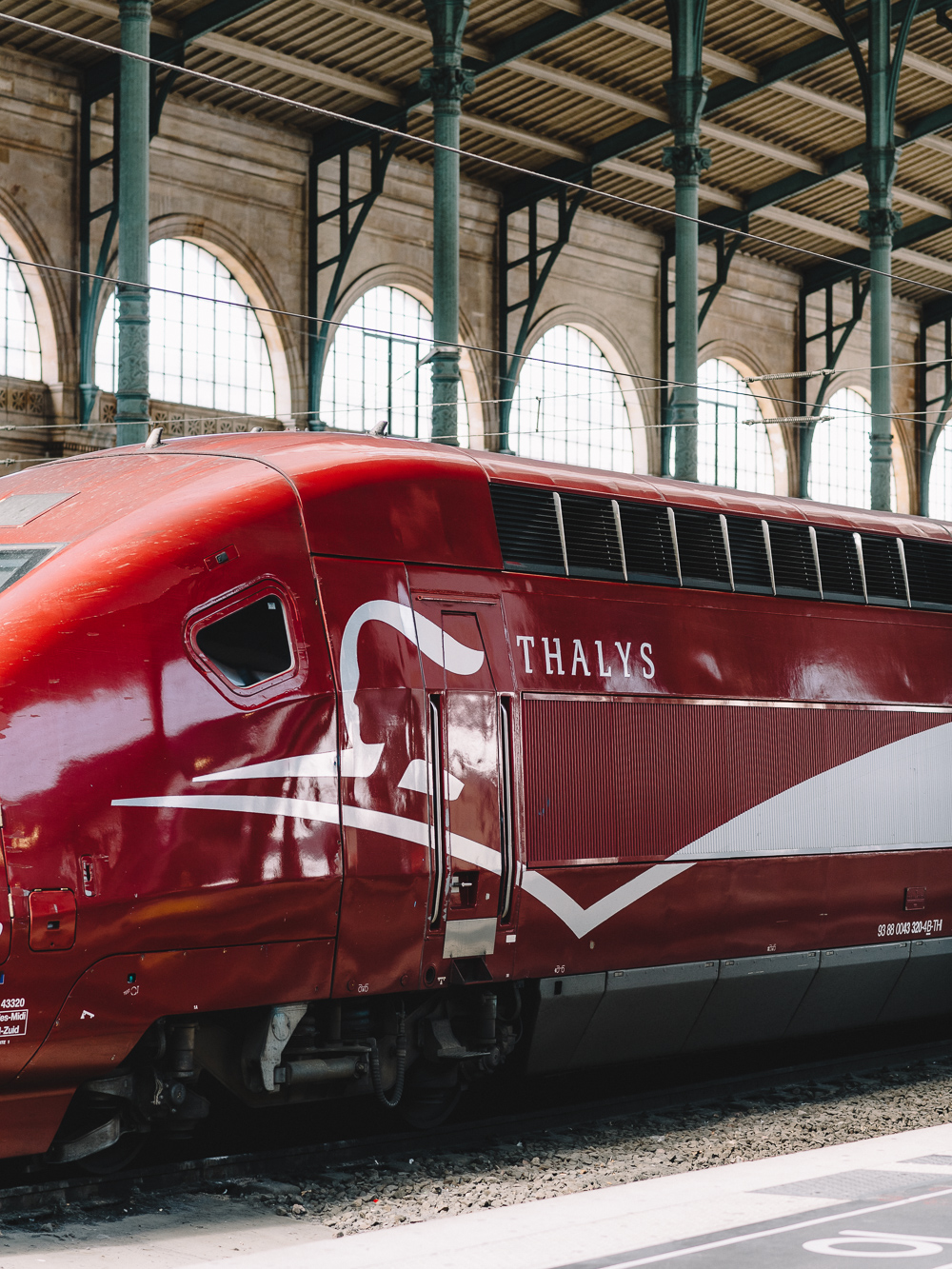
Driving to Paris? What are the toll costs, and do I need an environmental sticker? If you don’t live near a major city like Brussels or Amsterdam, visiting Paris by car can be a comfortable option. Otherwise, the Eurostar (Thalys) or the affordable FlixBus are also good alternatives. Driving to Paris is a bit more expensive, but the freedom and flexibility are certainly important. The City of Light is a busy city, and traffic jams are frequent. Therefore, it’s definitely recommended to use an app like Waze to easily find your way or to plan your route to your destination in advance.
This article provides the best tips & tricks for visiting Paris by car. How long is the drive, and what are the costs (and tolls)? We’ll also tell you which websites and apps are available for easy parking in Paris. We always use Parclick.com, an independent parking website that searches for the best parking spaces and lowest rates. Before you leave, don’t forget to apply for a mandatory environmental sticker (low-emission zone). That way, you can enjoy a day trip or weekend getaway by car without any worries!
• Fun to do: Tickets Cruise on the Seine by Bateaux Mouches (1h) →
• Nice combo: Tickets Louvre Museum + Eiffel Tower 2nd Floor or Summit →


Plan your next city trip to Paris!
• Discover our favorite hotels in Paris for a great stay
• Book your tickets, tours & attractions on Tiqets.com
• Cool events, concerts (Candlelight) & shows at Feverup.com
• Book your flight to Paris on Booking.com
• Car rental and airport taxi on Booking.com
• Book a cheap parking on Parclick.com
1. Driving in Paris: what should you pay attention to and is it difficult
Driving in Paris is definitely not for the faint of heart. The French capital is known for its heavy traffic, roundabouts without clear rules (hello Place de l’Étoile!), and hasty scooters that zip through everything. Yet, it’s certainly doable, especially if you’re well-prepared. Outside of rush hour, driving is relatively calm, and a good navigation system or app will get you a long way. Keep in mind that parking can be difficult and expensive in the city center. Our tip? Leave your car outside the city and take the metro for a stress-free visit.
Use an app like Waze to get to your destination as quickly and easily as possible. A final tip is to avoid visiting Paris by car on the notorious “Black Saturdays” (huge crowds).
2. What are the costs of traveling to Paris by car
Driving to Paris can be a fun and flexible way to travel, but it’s good to know what to expect cost-wise. Between fuel, toll roads (especially if you’re coming from the Netherlands or Belgium), and parking in the city, the expenses can add up. Fuel prices vary, but a full round trip might cost anywhere from €100 to €200 depending on your car and starting point. French motorways are known for their tolls, so budget an extra €30–€60 for that.
And don’t forget: parking in Paris can be pricey and tricky, so consider booking a spot in advance or using park-and-ride options just outside the city. Still, the freedom of having your own car might just be worth it!
3. How long is the drive to Paris
The drive to Paris can be part of the adventure! Depending on where you’re starting from, the journey can take anywhere from 3 to 6 hours, from Brussels it’s around 3.5 hours, from Amsterdam about 5.5, and from Cologne roughly 5. Of course, traffic (especially near Paris) and roadworks can add a little drama to your ETA, so it’s best to leave with some wiggle room. With good music, snacks, and maybe a scenic stop or two, the hours tend to fly by, and before you know it, you’re cruising down the Champs-Élysées like a true road trip pro.
Make sure your environmental sticker (Crit’Air) is in order, as it’s mandatory in many zones in Paris. It’s also helpful to plan ahead for tolls and gas stations along the way for a smoother journey.
4. The car in Paris: on the street or parking garage and costs
Once you’re in Paris, you can park on the street (an average of €5 per hour), but we don’t recommend this. It’s not exactly cheap, and you can only park for a limited number of hours. Moreover, Parisians often park next to each other, so you might encounter some surprises.
We prefer parking in Paris in a parking garage in the city center or just outside the city (often cheaper). Book your reservation in advance; that’s often cheaper. What are the costs? Expect to pay around €25 per day. The car certainly remains financially attractive if you’re traveling with several people.
• Read also: Parking in Paris: Free, Cheap, Near Eiffel Tower & Airports →


5. Toll roads to Paris: what you need to know about costs and routes
Anyone driving to Paris will encounter the French toll roads, also known as autoroutes à péage. These highways are well-maintained and will get you to the City of Light quickly, but they are not free.
From Belgium or the Netherlands, you’ll pay an average of between €15 and €25 in tolls, depending on your departure point and route. You pay at automatic gates with a debit card or cash, and sometimes with a ticket you receive upon entering. Not a fan of tolls? There are toll-free alternatives, but they often take longer.
6. The environmental sticker (Crit’Air) for Paris: mandatory environmental zone for cars
If you’re traveling to Paris by car, don’t forget the environmental sticker, also known as the Crit’Air sticker. This sticker is mandatory in and around Paris on days with high air pollution and determines whether and when your vehicle is allowed into the city. The low-emission zone covers the entire area within the Boulevard Périphérique. There are six categories, depending on how clean your car is.
Applying for the sticker is easy and inexpensive via the official French website. You can order this sticker online at www.certificat-air.gouv.fr. The sticker costs €4.91. But be sure to do it in time, as shipping can take a few weeks. No sticker? Then you risk a €68 fine. So stick it on your windshield and drive into the French capital worry-free!
7. Tips for cheap parking with the Parclick website & app
We’d also like to share a handy website and app to help you park in Paris as smoothly as possible. Check Parclick.nl for locations and rates of parking garages in Paris. You can reserve your parking space in advance at no extra cost. Free cancellation is also available up to one hour before arrival.
Parclick is an independent website that searches for the best parking garages near your hotel. Their website is very user-friendly and easy to navigate. They also have a handy app to manage your reservations, and during the summer months, they often have special offers. For €50 per week (weekly pass), you can park in one of the many parking garages.
Not planning on driving to Paris? Then choose a plane, FlixBus, or Eurostar (Thalys). With these tips, you’re ready to enjoy a weekend trip to Paris by car for a few unforgettable days. Or a day trip to the City of Light by car is also a great option.
FAQ about driving to Paris by car and what you need to know
1. Can I drive my own car into Paris?
Yes, you can! But there are a few things to keep in mind, especially when it comes to emission regulations, parking, and traffic zones.
2. Do I need a special permit to drive in Paris?
Yes. Since Paris is a low-emission zone (ZFE), you need a Crit’Air vignette (air quality sticker) displayed on your windshield. Without it, you may face fines. You can order it online before your trip.
3. Where can I park in Paris?
Street parking is limited and often expensive. It’s better to park in underground parking garages or Park & Ride (P+R) lots on the outskirts with metro connections. Apps like Indigo or Parclick help you find spots in advance.
4. Is it easy to drive in central Paris?
Not really. Traffic is busy, fast-paced, and parking is a challenge. Narrow streets, lots of one-way roads, and a maze of scooters, bikes, and pedestrians make it tricky, especially for first-time visitors.
5. Can I park near the Eiffel Tower or main attractions?
There are parking garages near the Eiffel Tower, Louvre, and other sights, but they fill up fast and are not cheap. Consider parking a bit further away and using public transport or walking.
6. Are there tolls when driving to Paris?
Yes, if you’re coming via the autoroute (motorway) system in France, you’ll likely encounter toll roads (péages). Bring a credit card or cash (euros) to pay at the booths.
7. What’s the speed limit in and around Paris?
Inside Paris, the general speed limit is 30 km/h in most areas. On the peripheral ring road (Boulevard Périphérique) it’s 70 km/h. Be cautious, speed cameras are common.
8. Can I rent a car to drive in Paris?
You can, but unless you’re planning to explore the countryside or other regions of France, it’s often unnecessary. Paris is best experienced on foot or via public transport.
9. Are gas stations easy to find in Paris?
They’re not as common in the city center, but there are some near major roads and the périphérique. It’s a good idea to fuel up before entering the city.
10. Is it better to park outside Paris and take public transport?
Absolutely. Using a Park & Ride on the outskirts and taking the RER or Metro into the city can save money and a lot of stress. It’s also better for the environment, win-win!
Bonus tip: always check traffic rules, zones, and updated emission policies before your trip. And remember, Sundays are quieter, so it’s a good day for a drive into Paris (if you must).