Planning to visit the Musée d’Orsay in Paris? In this guide, you’ll find everything you need to know about Musée d’Orsay tickets, prices, opening hours and the best tips for your visit. Housed in a spectacular former railway station along the Seine, the Musée d’Orsay is one of Paris’s most impressive museums and a must-see for anyone who loves art, history and culture.
The museum is world-famous for its exceptional collection of 19th- and early 20th-century art, with masterpieces by some of the greatest artists in history, including Claude Monet, Edgar Degas, Vincent van Gogh, Henri Matisse and Auguste Rodin. From iconic Impressionist paintings to remarkable sculptures, the Musée d’Orsay offers an unforgettable journey through one of the most influential periods in art history.
Just like the world-renowned Louvre Museum, the Musée d’Orsay presents major temporary exhibitions and special events throughout the year. Whether you’re visiting Paris for the first time or looking for the best museums to explore, the Musée d’Orsay deserves a place on your itinerary. Read on to discover how much Musée d’Orsay tickets cost, where to buy tickets, whether you can visit for free, the museum’s opening hours and our best tips for a smooth visit.
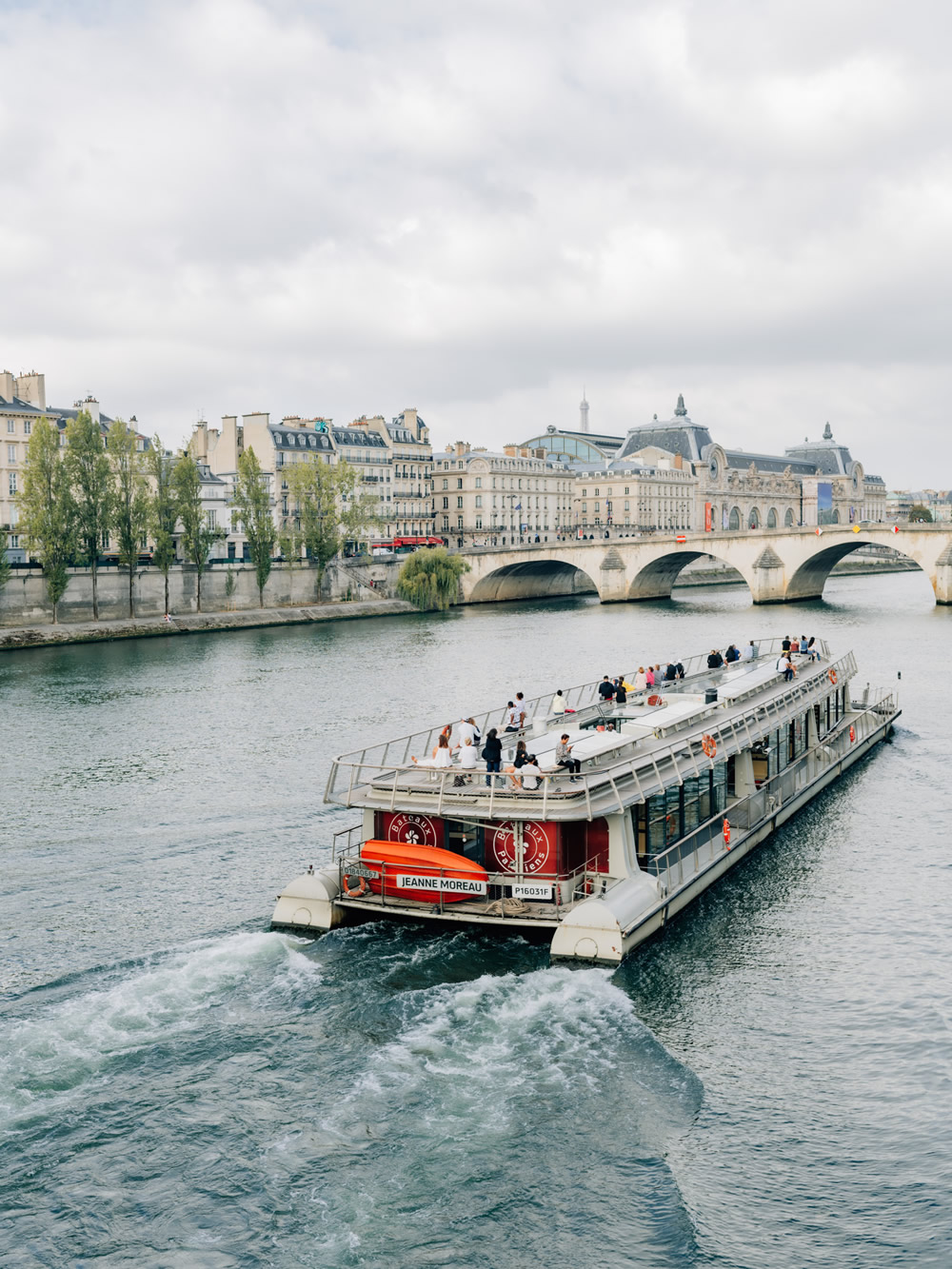
• Fun to do: Tickets Cruise on the Seine by Bateaux Parisiens (1h) →
• Nice combo: Tickets Louvre Museum + Eiffel Tower 2nd Floor or Summit →
Plan your next city trip to Paris!
• Book cheap flights to Paris on Skyscanner.com
• Discover our favorite hotels in Paris on Booking.com
• Book your tickets, tours & attractions on Tiqets.com or GetYourGuide.com
• Cool events, concerts (Candlelight) & shows at Feverup.com
• Car rental and airport taxi on Booking.com
• Book a cheap parking on Parclick.com
1. Tickets and price for a visit to the Musée d’Orsay in Paris
What is the price for a ticket to visit Musee d’Orsay? The price for a ticket with entrance to the museum is €17. It is best to buy tickets and make your reservation in advance. You can choose to buy tickets at the Musée d’Orsay itself. There is of course a ticket counter at the entrance. However, this is not always the most convenient option, especially during holidays, when there can be long queues. A more convenient option is to buy tickets online. This allows you to reserve your ticket in advance and skip the lines.
• Admission is free for some visitors to the Musée d’Orsay:
– Free for all visitors on the first Sunday of every month
– Free for visitors under 18 years old
– Free for visitors aged 18 to 25 who are citizens of an EU Member State
– Free for unemployed visitors
– Free for disabled visitors
– Free for Paris Museum Pass holders
2. Admire the collections with world-famous works of art
One of the world’s most visited museums, the Musée d’Orsay is home to the largest collection of paintings, sculpture and decorative objects produced between 1848-1914, and displays many of the most notable works of the early modern period. Yes, the Musée d’Orsay in Paris is smaller than the Louvre and no, you won’t find the Mona Lisa and her enchanting smile there. But you will discover an exquisitely curated art collection in a centuries-old train station. It’s pretty cool and a bit quirky, just what Parisians prefer.
Offering visitors a detailed and breathtaking look at the birth of modern painting, sculpture, design and even photography, Orsay’s permanent collection ranges from Neoclassicism and Romanticism to Impressionism, Expressionism and Art Nouveau design.
Highlights of the world-class collection include masterpieces by artists such as Ingres, Delacroix, Monet, Degas, Manet, Gaugin, Toulouse-Lautrec and Van Gogh. The permanent collection includes four main levels and an exhibition space on the terrace. The collection is presented chronologically and according to artistic movements.
3. The history of the world famous Orsay museum
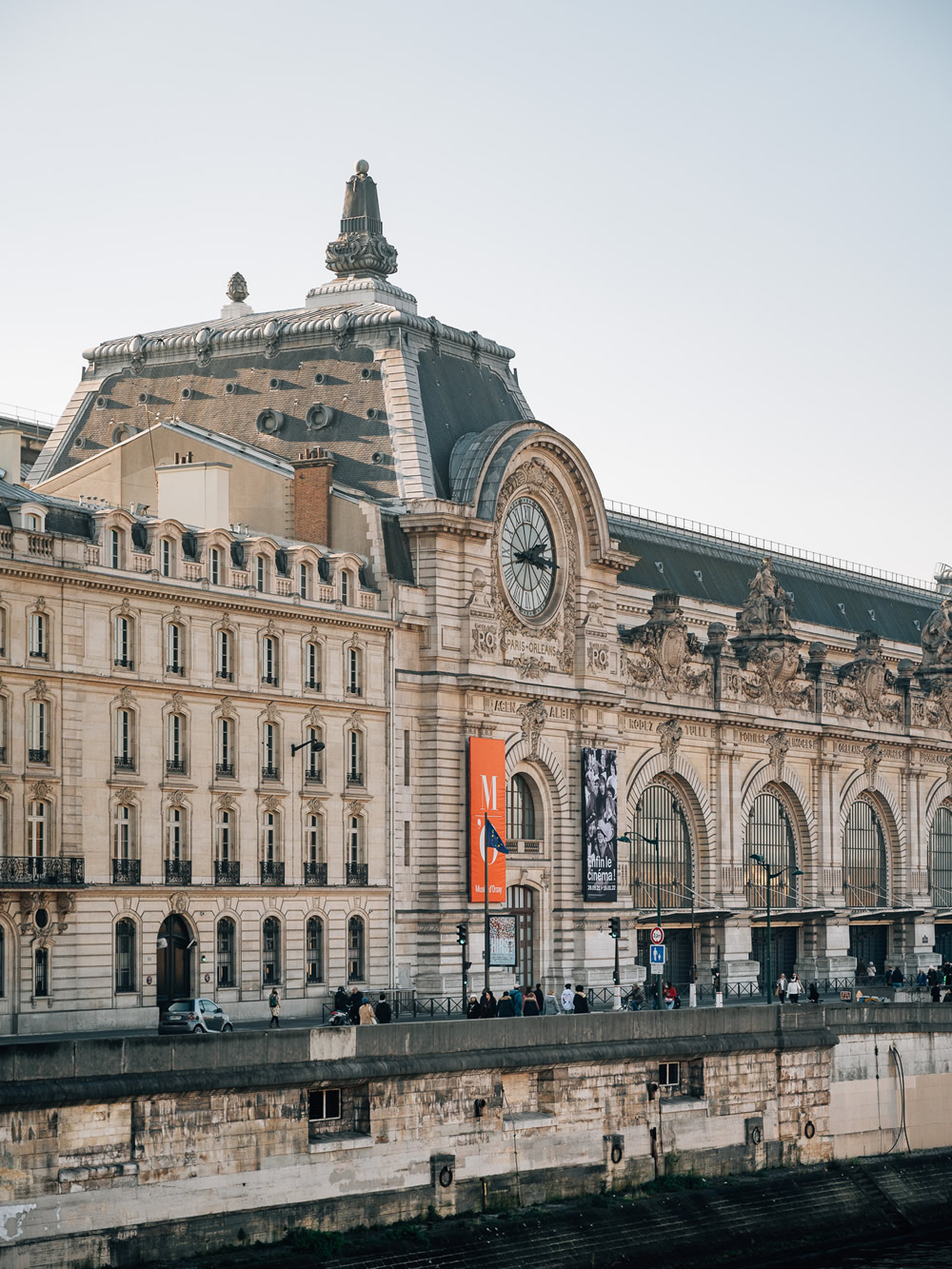
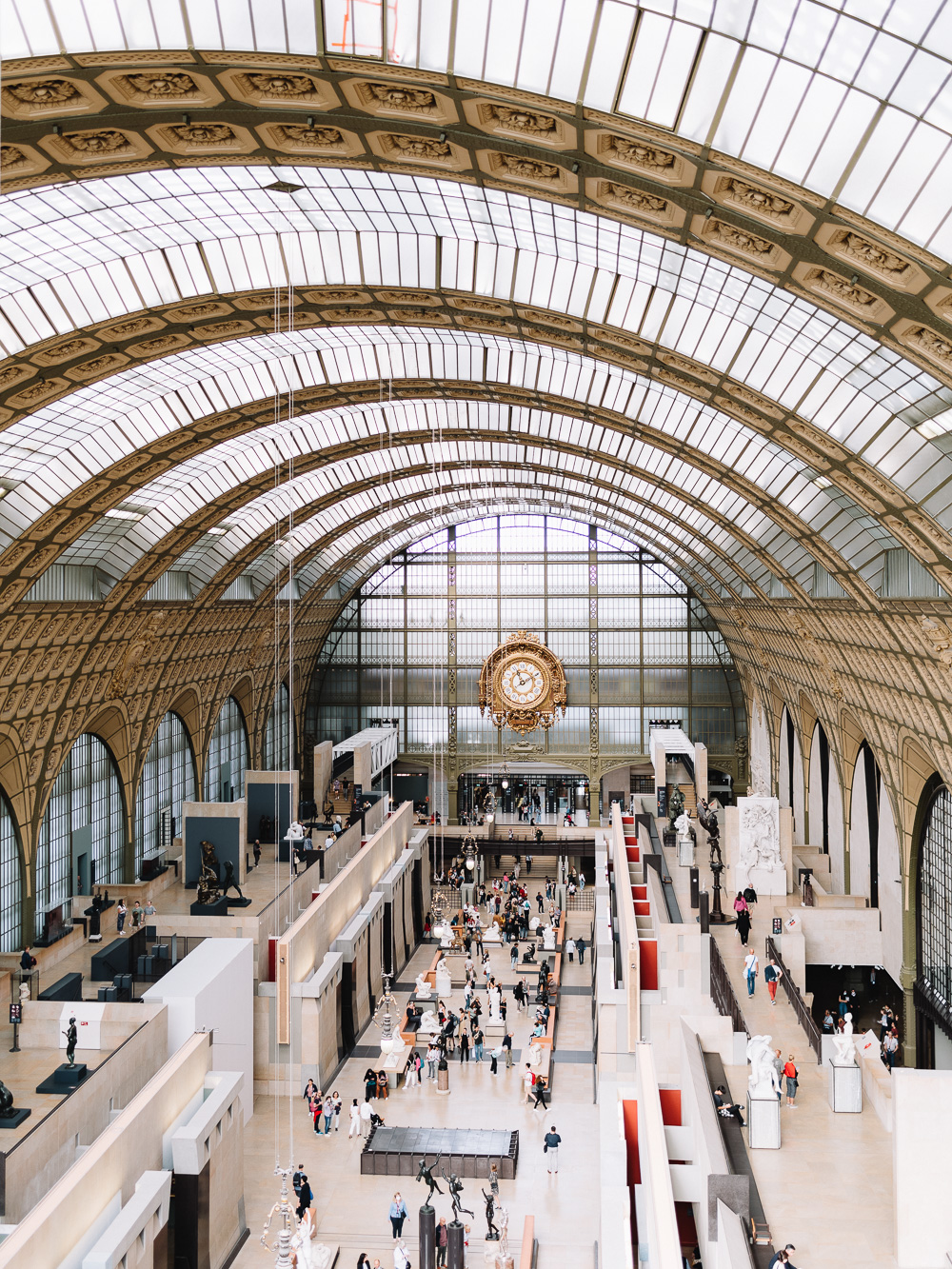
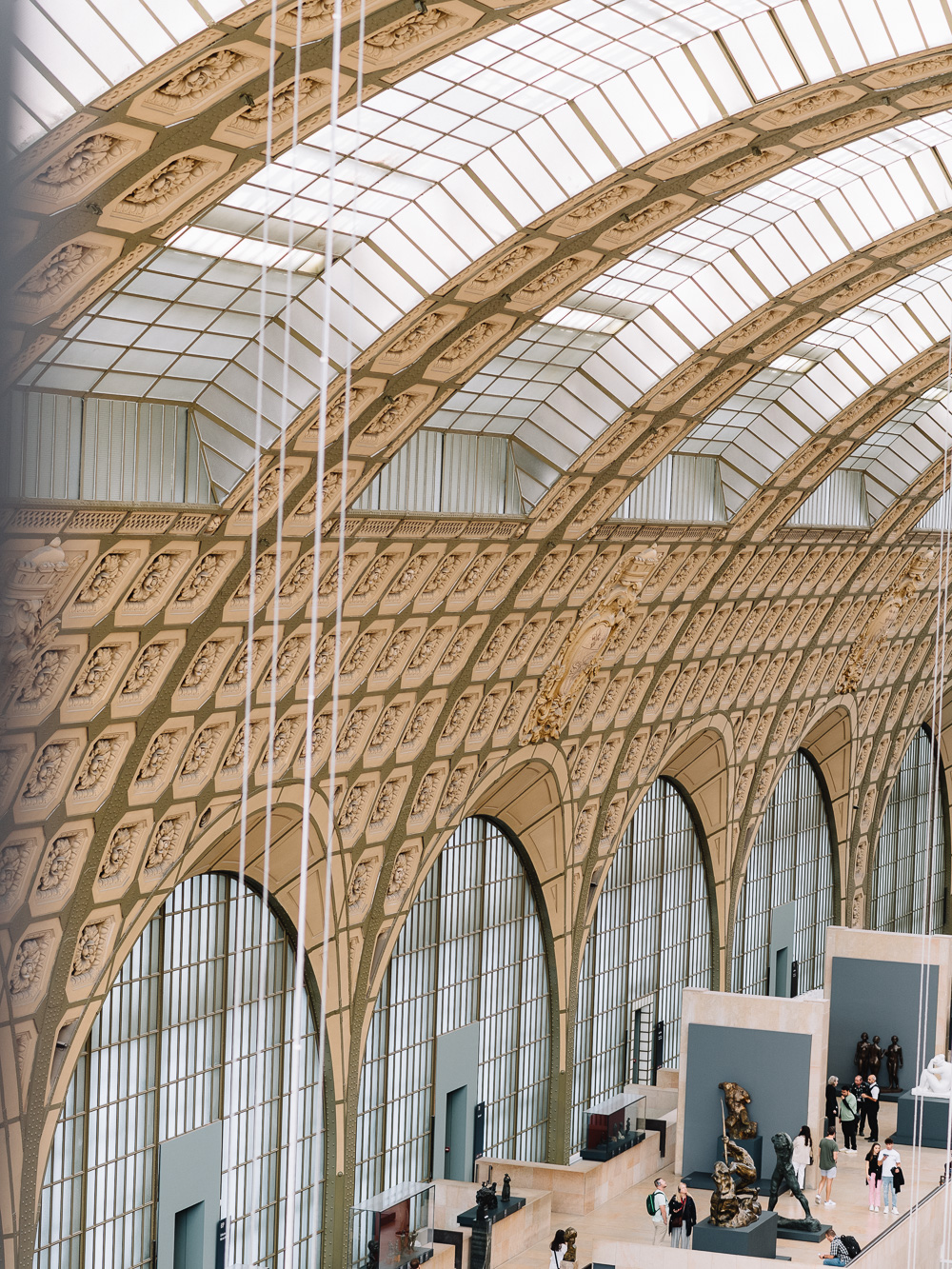
Located on the Left Bank of the Seine, the Musée d’Orsay opened its doors in 1986 and has since enchanted countless visitors with its extensive collection of Impressionist, Post-Impressionist and other works of art from the 19th and early 20th centuries. What makes this museum extra special is the location itself. The building was originally the Gare d’Orsay, a train station built for the 1900 World’s Fair. The stately design and large glass roof make the Musée d’Orsay not only an art shed, but also an architectural masterpiece.
4. Practical tips for a visit to the art museum
• There is a lot to see at the Musée d’Orsay, so plan your visit well. See how the collections are organized, familiarize yourself with some of the most important artists and masterpieces on display, and then plan to spend more time with a selected period or series of artists.
• Avoid the crowds. The Musée d’Orsay attracts around three million visitors every year and will therefore always be relatively busy. But during the low season and on weekdays it is less busy. The chance of large crowds is also less during lunch hours and on Thursday evenings (open until 9:45 p.m.).
• At the Musée d’Orsay there are separate and special entrances for individuals, groups and members or professionals outside the museum. Avoid wasting time by joining the correct queue upon arrival. You can also consider buying skip-the-line tickets to beat the crowds and get in even earlier.
• Are you visiting the museum for the first time? Then a tour is one of the best ways to get an overview of the periods, artists and great masterpieces that appear in the collections. The museum offers numerous guided tours in English for individuals and groups. Please note that tours are offered on select days, subject to change.
• The museum regularly curates major temporary exhibitions on important artists and movements from the period 1848-1914, giving visitors new insight into the exciting developments of the 19th century. There are also regular special events such as concerts, film screenings and festivals, and art-inspired shows.
Visiting the Musée d’Orsay in Paris should definitely not be missing from your bucket list. Ask a local what their favorite museum in the city is, and they probably won’t say the Louvre museum in Paris. The Musée d’Orsay takes pride of place in the hearts of many Parisians. Good to know: admission to the Musée d’Orsay is free on the first Sunday of every month and it is of course very busy. Time to buy your skip the line tickets online!
FAQ about the Musée d’Orsay in Paris, address, ticket price & opening hours
1. What is the Musée d’Orsay known for?
The Musée d’Orsay is famous for its world-class collection of Impressionist and Post-Impressionist art. Think Monet, Van Gogh, Degas, Renoir, Manet, Cézanne… all under one breathtaking roof, a former Beaux-Arts railway station.
2. Where is it located and how do I get there?
You’ll find the museum on the Left Bank of the Seine, at 1 Rue de la Légion d’Honneur, 75007 Paris. The nearest metro stop is Solférino (line 12), and the RER C – Musée d’Orsay station drops you off right next to the entrance.
3. What are the opening hours?
The museum is open Tuesday to Sunday, from 9:30 AM to 6:00 PM. On Thursdays, it stays open late until 9:45 PM. It’s closed on Mondays, so plan accordingly.
4. Do I need to buy tickets in advance?
It’s a smart idea! Booking online helps you skip the lines, especially during peak tourist season. Tickets are around €17, and under-18s or EU residents under 26 get in free (with ID).
5. How long should I plan to spend at the museum?
If you love art, you could spend half a day here. For a quick visit, 2 hours gives you time to see the highlights without rushing, especially the Impressionists on the top floor.
6. What’s the must-see artwork everyone talks about?
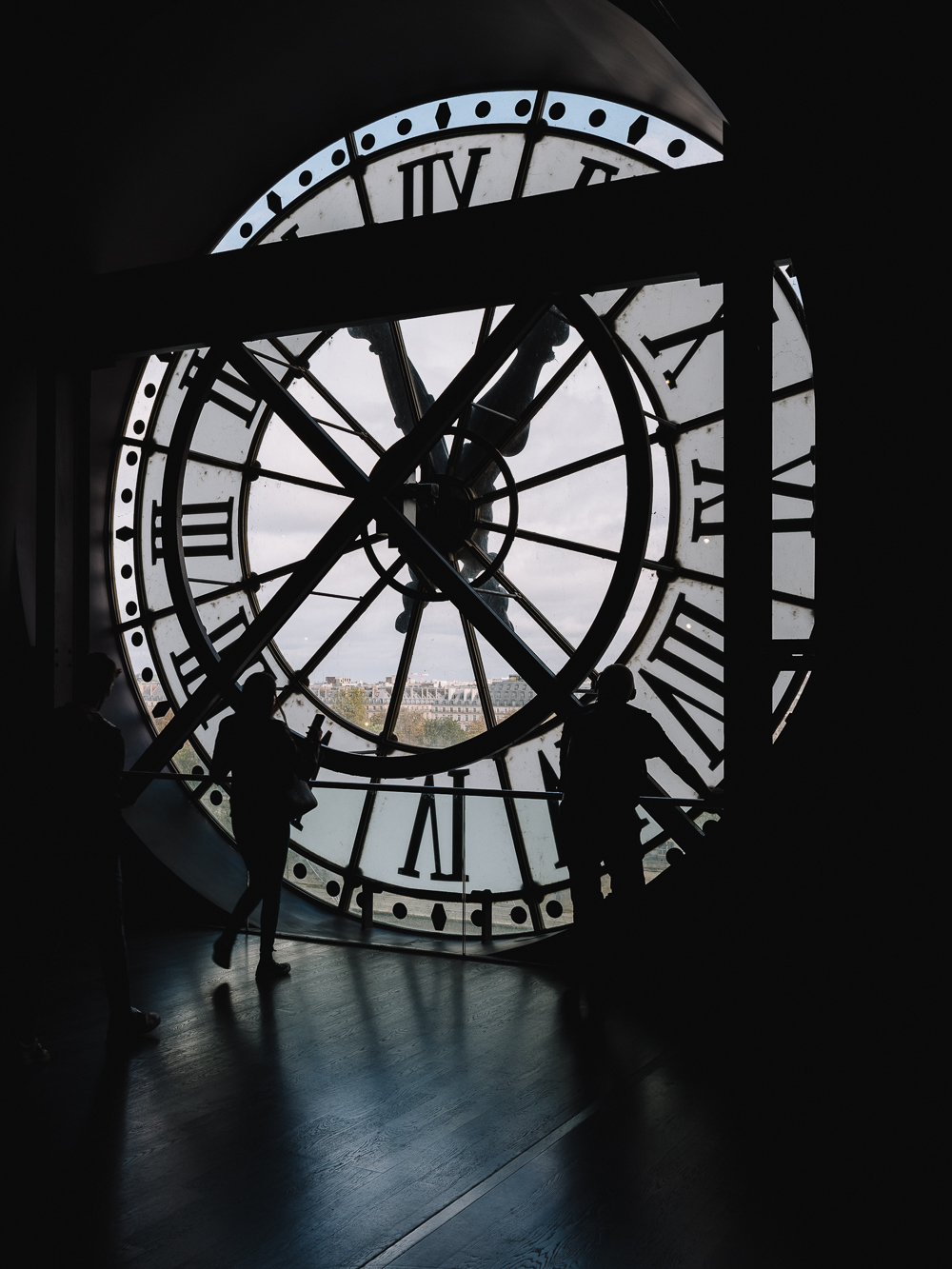
Vincent van Gogh’s self-portraits, Monet’s water lilies, Degas’ ballerinas, and Manet’s bold “Olympia” are all crowd-pleasers. But don’t miss the stunning building itself, especially the giant clock windows with views over Paris.
7. Is the museum suitable for kids?
Yes! While it’s an art museum, the colorful works and beautiful spaces make it surprisingly engaging for kids. There are also family-friendly guides and occasional workshops.
8. Are there places to eat inside?
Yes, there’s a beautiful Belle Époque restaurant on the first floor (truly Instagram-worthy), a more casual café and even a little snack area. Or bring your own treats and picnic by the Seine after your visit.
9. Is the museum accessible?
The museum is wheelchair accessible and has elevators and accessible toilets. Visitors with reduced mobility and their companions can enter for free.
10. Can I take photos inside?
Yes, non-flash photography is allowed in most areas for personal use. Just be mindful of signs, some temporary exhibitions might have different rules.
Bonus Tip: Try visiting on the first Sunday of the month, entry is free for everyone! It can be busier, but it’s a great way to explore on a budget.